Get in Touch!
-
M K International D222/13, Near CNG pump Opposite Fugro House, Shirvane MIDC, Nerul 400706
-
Call us: +91 98337 34769
M K International D222/13, Near CNG pump Opposite Fugro House, Shirvane MIDC, Nerul 400706
Call us: +91 98337 34769

M K International D222/13, Near CNG pump Opposite Fugro House, Shirvane MIDC, Nerul 400706

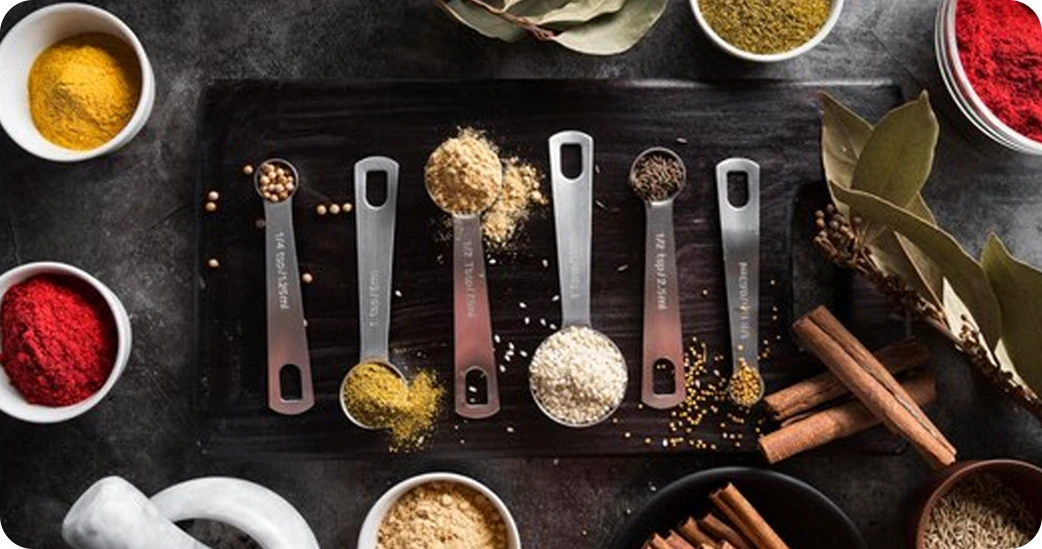
Spices have been an integral part of human civilization for centuries, adding flavor, aroma, and medicinal benefits to cuisines around the world. But have you ever wondered how these tiny, flavorful ingredients travel from farms to your kitchen? Let's explore the fascinating journey of spices, from cultivation to consumption.
1. Cultivation: Where It All Begins
The journey of spices starts in the fields, where farmers carefully cultivate a variety of spice crops such as turmeric, black pepper, cumin, and cardamom. These crops thrive in specific climatic conditions, with some requiring tropical humidity while others flourish in drier regions. Farmers use traditional and modern farming techniques to ensure the best yield while maintaining soil health and sustainability.
2. Harvesting: Timing is Everything
The quality of a spice greatly depends on the timing of its harvest. Farmers carefully monitor their crops, harvesting them at peak ripeness to preserve their natural oils and flavors. For example, saffron threads are delicately handpicked from flowers, while black peppercorns are harvested before full ripening to develop their signature pungency.
3. Processing: Enhancing Flavor and Quality
Once harvested, spices go through meticulous processing steps to enhance their flavor, color, and aroma. These steps include cleaning, drying, grinding, and sometimes roasting. Sun-drying is a traditional method that preserves natural oils, while modern techniques like dehydration help retain potency. Processing also involves strict quality control measures to remove impurities and maintain food safety standards.
4. Packaging: Preserving Freshness
Proper packaging is essential to maintain the freshness and potency of spices. High-quality, airtight packaging prevents moisture, light, and air from degrading the spices. Manufacturers also ensure that their products meet international food safety regulations before shipping them worldwide.
5. Distribution: A Global Spice Trade
The spice trade has a rich history, dating back to ancient times when traders traveled thousands of miles to exchange these precious ingredients. Today, advanced logistics and transportation allow spices to reach every corner of the world efficiently. From bustling spice markets in India to supermarket shelves in Europe and the US, spices continue to connect cultures and cuisines globally.
6. Cooking: Bringing Flavor to Your Plate
Finally, after a long journey, spices find their way into your kitchen, enhancing your favorite dishes with their distinct flavors. Whether it’s the warmth of cinnamon in baked goods, the heat of chili in a curry, or the earthiness of cumin in a stew, spices transform ordinary meals into culinary delights.
The journey of spices is a testament to the dedication of farmers, traders, and manufacturers who ensure that high-quality flavors reach consumers worldwide. From the soil where they are grown to the dishes they elevate, spices are more than just ingredients they are a connection to history, culture, and tradition. The next time you sprinkle some spice into your meal, take a moment to appreciate the incredible journey it has taken to reach your plate.